
Flea control for your home
Fleas can keep returning if their source is overlooked. Eversor investigates where the activity is, treats the home where needed and coordinates the approach with care for any pets. You know what we will do, what it will cost and how we will follow up.
Identification
Are they fleas?
Fleas jump and are often found on a pet or around its resting places. Check your pet with a flea comb and look around bedding, rugs and seams. Bites or itching alone do not prove that fleas are present.
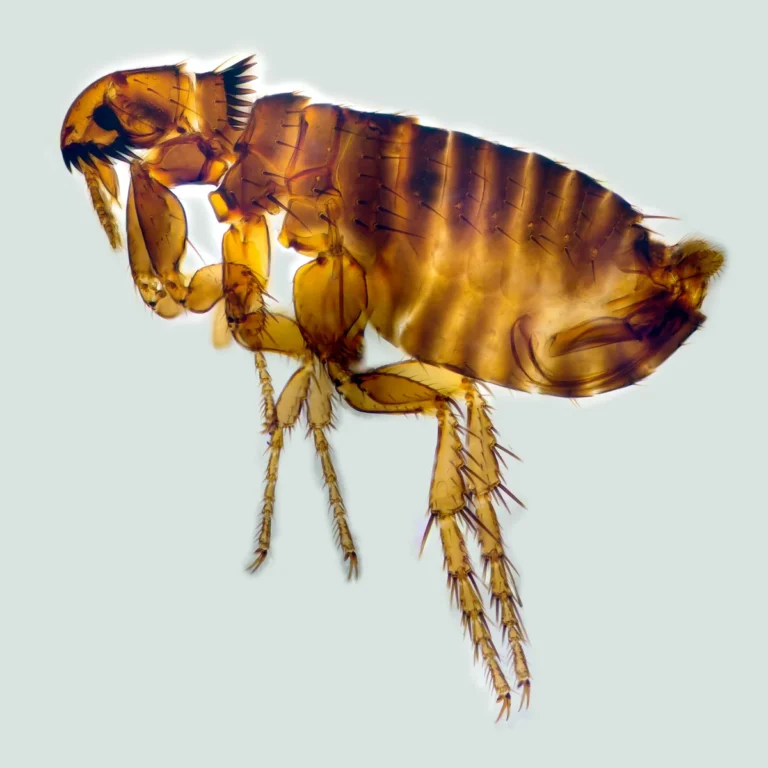
Small, brown and jumping
An adult cat flea is about 2–3 mm long, wingless and narrow from the side. Its long hind legs help it jump.
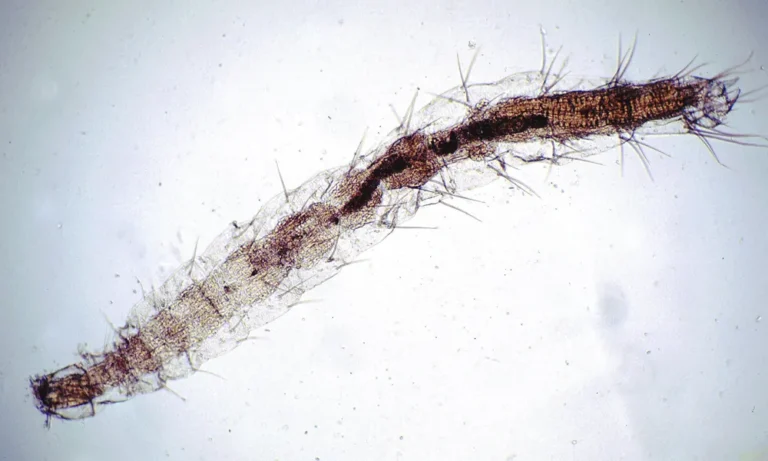
Larvae in sheltered places
Flea larvae are pale, hairy and legless. They may be found among carpet fibres, in seams and near places where animals rest.
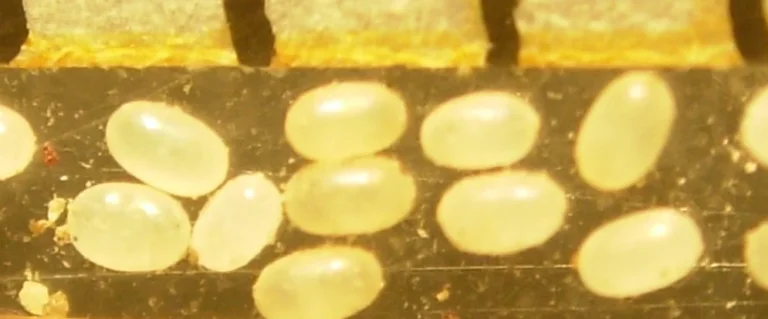
Eggs in the surroundings
The white eggs are around half a millimetre long. They fall from the animal into the home and are difficult to recognise without magnification.
Highly magnified images; they are not shown at the same scale.
Other insects and skin conditions can cause similar marks. Consider the insect, its location and any other signs together.
Which types of flea occur in homes?
The name of a flea does not always tell you which animal it came from. Finding the source matters most for effective treatment. Bites or a quick look are not enough to identify the species reliably.
Cat flea
The most common flea on cats and dogs. Rabbits and guinea pigs can carry it too. Check pets and their resting areas, and discuss suitable pet treatment with your vet.
Dog flea
This species can occur on dogs, but a flea found on a dog is often a cat flea. You do not need to tell them apart before taking the first steps: check all pets and their surroundings.
Bird flea
Activity can arise from a bird’s nest on or near a building, sometimes after the young birds have left. Tell us about any nest by the roof, window or balcony, even if you have no pets.
Human flea
This species is rare in the Netherlands. Flea bites on a person do not mean that the insect is a human flea. If you are unsure, have the insect and possible animal source assessed.
Unsure where the fleas are coming from? Keep a clear photograph or a specimen if possible. We first assess what is happening and which approach suits your home.
What can you do now?
- Check the source. Comb your pet with a flea comb and note where you see fleas. No pets? Check former animal resting places and other possible animal sources.
- Clean the surroundings. Vacuum resting places, rugs, floor edges and seams thoroughly. Wash suitable textiles as directed on their care labels.
- Address pets and the home together. Talk to your vet about all pets. If fleas keep returning or appear in several rooms, ask Eversor to assess the home.
Our approach
How Eversor treats fleas in your home
We locate activity and investigate the possible source: animal resting places, floor edges, seams and gaps. We then explain which areas need treatment, how to prepare and what to expect afterwards.
Inspect and identify
We examine the insect or signs, discuss what you have already tried and check where fleas may develop. This allows us to target the treatment.
Agree on the plan
We explain which rooms require attention, how to prepare them, what the quotation includes and whether a further visit is anticipated. Ask your vet about treatment for pets.
Treat the property
We treat the places where fleas and immature stages can persist, such as resting areas, floor edges, seams and gaps. The application depends on the property and the activity found. You receive clear instructions for using the rooms again.
Follow up
We explain what was treated, when you may clean again and what to do if you see more fleas. We assess progress and arrange a further visit where needed.
Pets and the property both need attention. Adult cat fleas often live on cats or dogs while eggs and larvae end up in the surrounding environment. Ask your vet about every pet. Our property treatment does not replace veterinary care.
Why choose Eversor for flea control?
You deal directly with Eversor. We remain your point of contact for assessment, treatment and any questions afterwards.
- We look beyond visible fleas, including resting places, seams and floor edges.
- You know which areas we will treat, what you need to prepare and which visits are included.
- You receive practical aftercare instructions and know when to report further activity.
Customer experiences
Flea treatment in practice
104Flea customers helped in the Netherlands
4.82/5Average score from 91 customer ratings
Denise in Rotterdam
For a severe infestation, we carried out a targeted crack and crevice treatment in the home using a product with residual action.
“I’m very satisfied. There were far fewer fleas after just a few hours, and within a few days they were gone. Prompt service, professional and clear.”
Sanne in Breda
“I was worried because my cats had fleas. Eversor advised us to see the vet first. The vet treated the cats while Eversor treated our home. We haven’t seen any more fleas and hope it stays that way. A really friendly technician, too. Thanks, guys!”
Vince in Eindhoven
“After the tenants moved out, we started renovating the property. That was when we discovered how bad the fleas were: they were even in the ceilings. The demolition company refused to continue working. Lars solved the problem for us, so the renovation could go ahead.”
Preparation and aftercare
What should you do before and after treatment?
Good preparation lets us reach the affected places. We provide instructions tailored to your home and the agreed treatment.
Before the visit
- Note where and when you see fleas. Keep clear photographs and tell us which products you have already used.
- Make the agreed floor areas, seams and resting places accessible. Check with us before moving items.
- Vacuuming and washing suitable textiles can help. Agree on timing and follow care labels.
- Tell us about children, pets and aquariums. Arrange pet treatment with your vet and coordinate it with the work at home.
After the visit
- Follow your instructions on access, ventilation and cleaning. The timing depends on the treatment used.
- Keep track of where fleas appear and whether activity is decreasing.
- Follow the agreed steps for pets and their surroundings.
- Contact us if activity increases, spreads or does not decrease as discussed.
Why might fleas appear later? A flea can remain protected in its cocoon before emerging. A treatment does not necessarily affect every life stage at the same time. New activity therefore needs to be assessed alongside the overall trend and any continuing source.
Costs and arrangements
How much does flea treatment cost?
We provide a quotation for treating your home before work starts. It specifies the areas involved, how to prepare, which visits are included and what any further visit would cost. You can decide with the complete plan in front of you.
What affects the price?
The number of rooms, access to resting places, carpets and gaps, and the number of visits required all affect the work. A localised infestation needs a different approach from fleas across several rooms.
Compare the full treatment plan
Check what is included: assessment, rooms, preparation, application and follow-up. Discuss how veterinary treatment fits in as well, so that the source does not remain active.
Veterinary costs for treating a pet are separate from our quotation for the property. We explain how to coordinate both parts.
Frequently asked questions
Questions about fleas
Can I tackle fleas myself first?
Yes. Ask your vet about treating all pets, vacuum resting areas and nearby floors thoroughly, and wash suitable textiles according to their care labels. If fleas keep appearing, return, or are found in several rooms, professional treatment of the home can help. We investigate the source and target the places that need attention.
Are these fleas or bed bugs?
Fleas are narrow from the side and can jump. They are often found on pets or near their resting places. Adult bed bugs are flatter and oval, usually around 5–7 mm, and crawl rather than jump. Bites alone do not identify the insect. A clear photograph or specimen helps us assess what you have found.
Can I have fleas without pets?
Yes. Flea stages can remain from a previous resident’s pets. Visiting animals, wildlife or a nest around the building may also be the source. We consider the origin when the infestation is unexplained or keeps returning.
Why do I suddenly see fleas after a holiday?
A flea can remain protected in its cocoon and emerge when conditions change. Movement, warmth and the presence of a host can trigger activity, making fleas noticeable when you return. This does not necessarily mean they came home with you.
Does Eversor treat my cat or dog?
No. Eversor does not treat cats, dogs or other pets. Your vet can treat your pet and advise on the right product. We inspect and treat the home. Both the pet and the property need attention, or fleas may return.
Can treatment be carried out if children or pets live here?
Tell us about children, pets, birds and aquariums before treatment. We give instructions for preparing the area, keeping people and animals away where necessary, and safely using the rooms again. These instructions depend on the chosen method.
When can I vacuum or mop after treatment?
Follow the instructions for your specific treatment. Cleaning too soon can reduce the residual effect of a product. We explain what to clean beforehand and when the treated areas may be cleaned afterwards.
I still see a flea after treatment. Has it failed?
Seeing one flea afterwards does not automatically mean treatment has failed. Fleas can emerge later from cocoons. Continue the agreed measures for pets and the home. If activity increases or persists beyond the agreed review period, tell us where and when you saw them so we can assess the next step.
Are all small jumping insects fleas?
No. Springtails can jump too. They are often found in damp places or around plants and do not bite people or pets. A sharp image and the location where you found the insect help with identification.
How many treatments are needed?
That depends on the infestation, the areas involved and whether the source has been addressed. We explain the proposed number of visits and any follow-up in the quotation.
Contact
Need help with fleas at home?
Tell us where you see them, whether you have pets and what you have already tried. We will contact you to discuss the next step.
085 226 11 11A clear photograph of the insect or where you found it can help with the initial assessment. Email photographs to info@eversor.nl.
Your enquiry
Tell us where you see fleas, whether you have pets and what you have already done. Before any visit we explain the work and the cost.
Prefer to write in English? Email your enquiry to info@eversor.nl or call 085 226 11 11.
Sources and image credits
- KAD — cat flea identification and animal sources
- ESCCAP — guideline on external parasites in dogs and cats
- University of California IPM — flea life cycle and treatment
- Ctgb — authorised biocides and use in the Netherlands
- LICG — fleas on pets
- KAD — bird fleas
- KAD — human fleas
- Cat flea image: Sam Thomas, Wikimedia Commons, CC BY-SA 2.0.
- Larva image: Alan R Walker, Wikimedia Commons, CC BY-SA 3.0.
- Egg image: Auguste Le Roux, Wikimedia Commons, CC BY-SA 4.0.
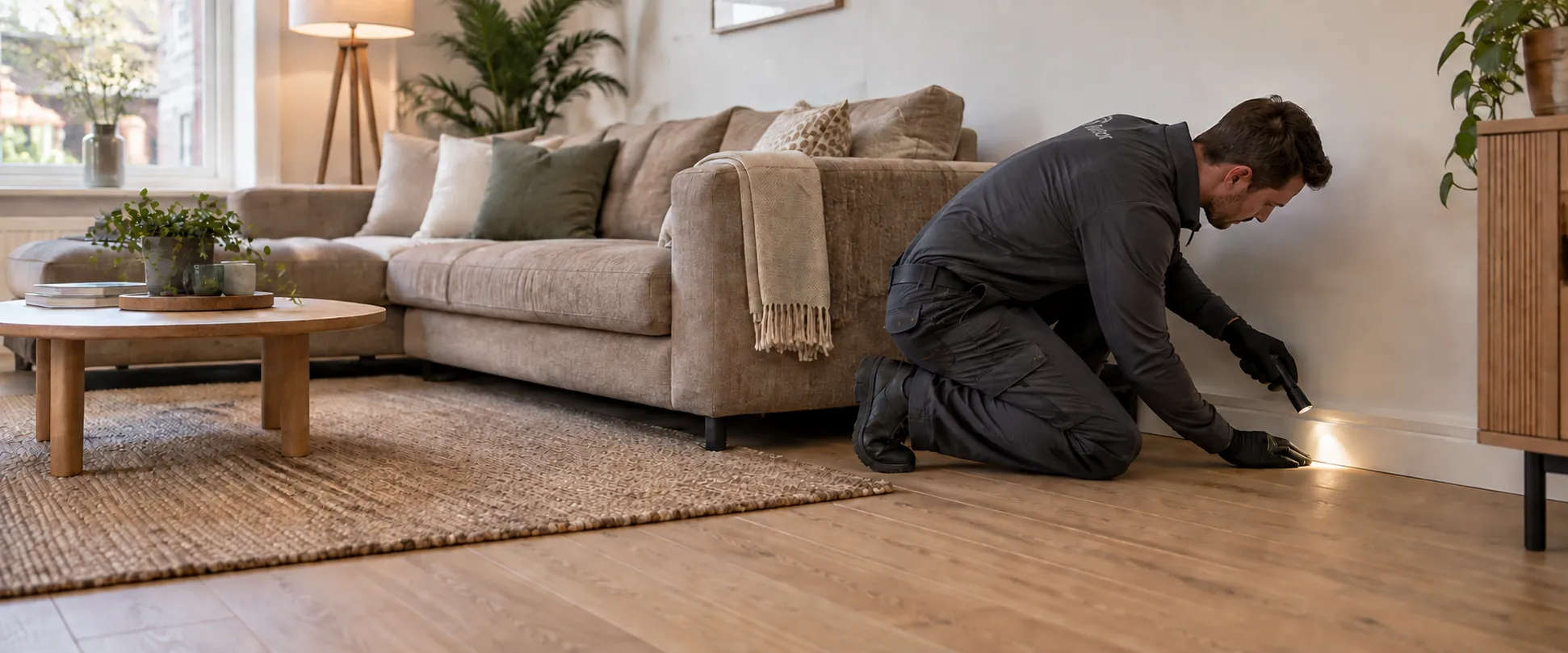
The hero is an AI-generated illustration of a home inspection. The identification photographs are credited source images, not photographs of Eversor jobs; only the surrounding space has an AI-generated backdrop.